
Unwanted tattoos can bring up mixed feelings. Some people outgrow a design, while others deal with reminders they no longer want to carry. Multi-color tattoos can feel especially frustrating because some shades fade easily and others barely budge. Many people in Las Vegas seek reliable tattoo removal options after disappointing experiences elsewhere or because they realize certain colors, like teal, lime green, or neon yellow, tend to hold strong.
At Revenge MD, they often express similar concerns: Why does black ink disappear faster? Why do blues and greens linger? And is it actually possible to remove a tattoo with several bright shades without damaging the skin? Understanding these things not only reduces stress but helps people make informed decisions, especially if they’re preparing for a cover-up or want a clean canvas.
Learning how laser tattoo removal interacts with different pigments explains why modern technology makes removal safer, more predictable, and more accessible than older techniques.
What Is Tattoo Removal?
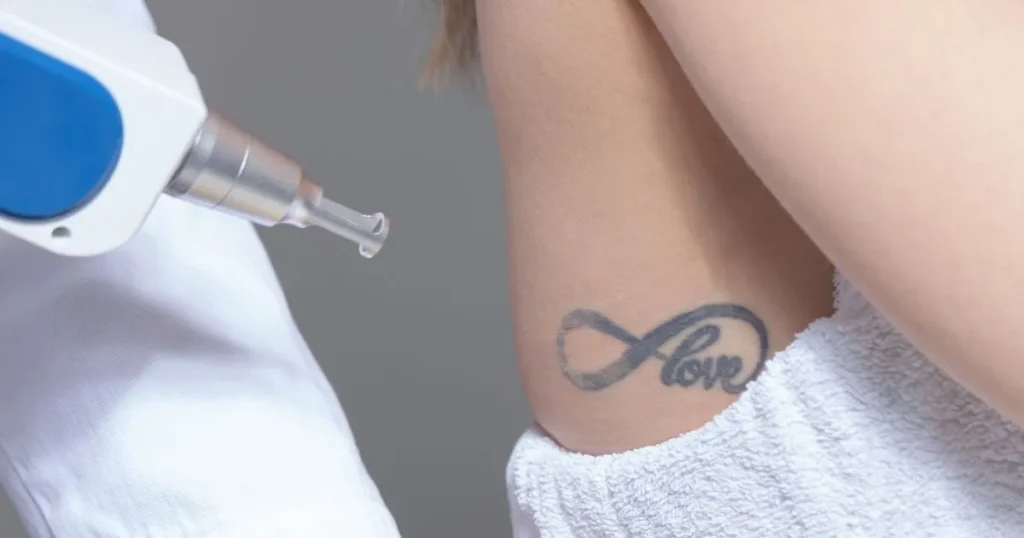
Laser tattoo removal uses targeted wavelengths of light to treat the ink embedded in the skin. Instead of scraping the surface or causing unnecessary irritation, the laser energy goes straight to the pigment. Each pulse selectively heats the ink particles, breaking them into tiny fragments that the body naturally processes over time.
Tattoo artists use different pigment formulas, which means one tattoo can contain several types of ink, each reacting differently to light. This is why older lasers often struggled with colorful designs. Today’s technology offers multiple wavelengths that match specific pigment families. When the wavelength matches the ink’s absorption spectrum, the pigment breaks down more effectively.
This method preserves skin health much better than older removal techniques. Because the laser works within the pigment rather than removing layers of skin, it supports smoother healing and less disruption to the surrounding tissue.
Benefits of Tattoo Removal
Tattoo removal offers both cosmetic and personal benefits. Many people want a fresh start, while others simply want a tattoo lightened enough for a better cover-up. For some, the tattoo represents a phase they’ve moved beyond. For others, it no longer matches their lifestyle or career path.
More people choose removal now because:
- Multi-color tattoos can be faded evenly with modern systems.
- Stubborn pigment areas can be targeted more precisely.
- Clients can prepare their skin for high-quality cover-up work.
- The treatment supports clearer, smoother-looking skin over time.
- Sessions fit into busy schedules without long recovery periods.
With better control over tattoo ink colors, people feel more confident that each session contributes to visible progress.
Who Is This Best For?
Professional Laser tattoo removal works well for a wide range of individuals. Adults with professional or amateur tattoos, minimal or heavy ink saturation, and single-color or complex artwork can all be good candidates. Skin type, tattoo depth, and ink formula all play a role, but modern systems allow treatment customization.
People most likely to benefit include:
- Those wanting full removal.
- Anyone needing tattoos lightened specifically for a cover-up.
- Clients with tattoos containing challenging blues, greens, purples, or bright tones.
- Individuals who previously tried removal at another clinic but saw limited results.
- People who want a cleaner look for personal, aesthetic, or professional reasons.
Clients often feel uncertain before starting. Many wonder if their skin will react well or if their mixed-color tattoo will respond evenly. The good news is that many combinations can be successfully treated when the provider selects the appropriate wavelengths for each pigment.
Your Laser Tattoo Removal Experience
Pre-Treatment Preparation
Before the first treatment, a consultation determines how the tattoo behaves under different wavelengths. The provider reviews ink density, color combinations, tattoo age, and placement. You may be advised to limit sun exposure and keep the area moisturized to ensure a consistent response to the laser.
Treatment Day
Sessions begin with protective eyewear and skin assessment. The laser device delivers short pulses that interact with the ink. Clients often describe the sensation as quick, snapping warmth. Smaller tattoos may take only a few minutes, while larger or multi-layered designs take longer. Providers may apply cooling tools or topical comfort aids depending on the tattoo’s size and location.
Aftercare and Recovery
Some redness, swelling, or temporary sensitivity can appear right after treatment. The skin may feel warm for a short time. Keeping the area clean and protected supports healing. Most people resume normal routines right away, though avoiding intense sun exposure helps the skin recover without irritation.
When Results Appear
Results develop gradually over the weeks following treatment. The body continuously clears fragmented pigment, so changes appear slowly at first and become more noticeable after several sessions. Multi-color tattoos generally require more visits because each pigment responds individually. Consistent appointments help fade the tattoo layer by layer.
Some colors fade faster, such as black and deep red. Others, like turquoise, mint, violet, and yellow, tend to require more precision and time. Still, with the right settings and technology, even these shades often lighten significantly.
Tattoo Removal Questions and Answers
Why do some ink colors fade faster than others?
Each ink color absorbs light differently. Dark pigments absorb more energy and break down faster. Lighter or neon shades require specific wavelengths to achieve noticeable fading.
Can all tattoos be removed?
Most tattoos can be significantly lightened or fully removed. Factors include pigment type, application depth, and tattoo age. Professional evaluation helps set clear expectations.
Does laser tattoo removal damage the skin?
Modern systems target pigment without removing skin layers. Mild, temporary redness is common, but long-term irritation is rare when treatment is performed properly with proper spacing and technique.
How many sessions will I need?
Most tattoos need several sessions spaced weeks apart. Multicolor artwork may require additional visits to ensure each pigment is treated effectively.
Does it work if I’ve had a failed removal attempt elsewhere?
Yes. Updated systems often improve fading for tattoos that didn’t respond to older or less precise lasers.
Begin Your Removal Journey
Tattoo removal offers the chance to refresh your appearance, lighten ink for cover-ups, or finally move on from a design that no longer fits your life. With modern tools, multi-color tattoo removal and tattoo pigment removal can deliver far more dependable results.
If you’re ready to explore your options, Revenge MD is here to help. Schedule Your Consultation Today!